Let’s discuss: Has the classic American sitcom, a staple for families all over the country (and all over the world!) reached the end of it’s hay-day?
A live studio audience, hilarious antics, and lovable characters were welcomed into the home of millions of families worldwide. Once a week, after a long day in the real, sometimes not-so-funny world, we would all gather in front of the television and watch half an hour of comedy gold. The desire to laugh bread the massive success of a slew of long running shows that dominated the ratings for the better part of the 80s, 90s and early 2000s. Shows such as M.A.S.H., Cheers, Roseanne, Frasier, Seinfeld, and Friends became big money makers for the major networks: NBC, CBS, and ABC.
NBC in particular dominated this era of comedy, coining the term “Must See TV” in reference to their Thursday night prime time slot, filled with back to back viewings of their most popular shows. The marketing technique, in conjunction with great writing teams and solid casting, solidified almost two decades of a dedicated spot for the classic sitcom.

So, what happened? When you think of popular TV today the sitcom doesn’t really stand out; in fact, many modern-day comedies are not even filmed in the classic sitcom format: with a live studio audience or a laugh track (with a few exceptions of course). Shows like The Office, and Parks and Recreation, while successful in ratings, are a clear departure from the comedy style that America once loved. Has the traditional sitcom become out dated…has it had its last laugh? How is it that the style of television that launched the careers countless household names, such as Jerry Seinfeld and Jennifer Aniston, has become obsolete? Are audiences simply no longer interested?
There might be something to this argument, as most modern traditional “sitcom-style” shows get cancelled after one or two seasons. However, TV streaming sites, such as Netflix and Hulu, boast high volumes of streamers that revisit these same shows that were so successful in the past. A large majority of these viewers belong to the younger generations, many of which weren’t even born when these shows initially aired.
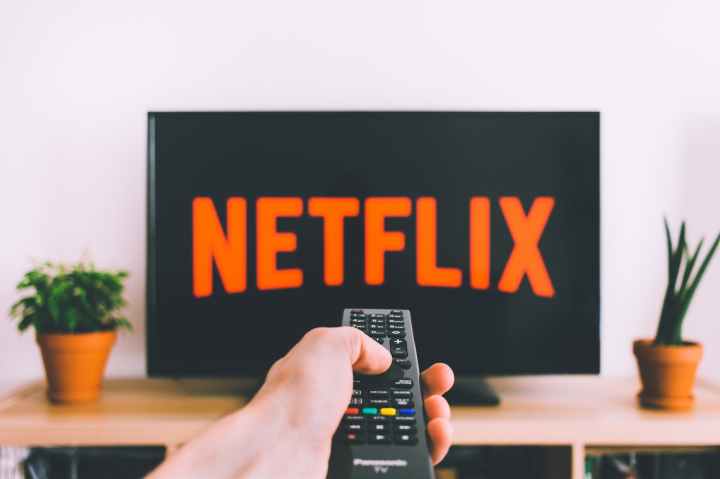
The result: These shows are enjoying a resurgence of popularity as young people fall in love with the characters, and are even pushing for reboots to continue on with the story lines. So what is going on here? Why are new sitcoms so poorly received, while the older ones are still held in high regard, even by new viewers? Are the older shows actually of a better quality? Brandon Gallagher and Tyler Watamanuk review the classic, Frasier, by saying, “Though Frasier will be remembered as one of the greatest sitcoms of all time, we don’t give it enough credit for simply not being obnoxious…The trust between the writers and the actors on this show created an environment where obtuse gags could land with stunning effectiveness.” Do modern shows lack the “magic” responsible for the success of their predecessors? Or is it possible that the newer shows are not of a lesser quality at all, but that the low ratings are caused by a lack of nostalgia and vintage aesthetic that drive viewers to revisit the classics instead? Tell me what you think.
Featured Image: Andrew Webber (July, 2015) from Pexels.com
Photo (March, 2018) from Pexels.com
Photo by freestock.org (March, 2018) from Pexels.com
Gallagher, B. (Feb. 2018). “The Best One-Liners In Sitcom History.” complex.com. Retrieved September 2018, from https://www.complex.com/pop-culture/best-one-liners-in-sitcom-history/
 Flyers Liars and Toast